
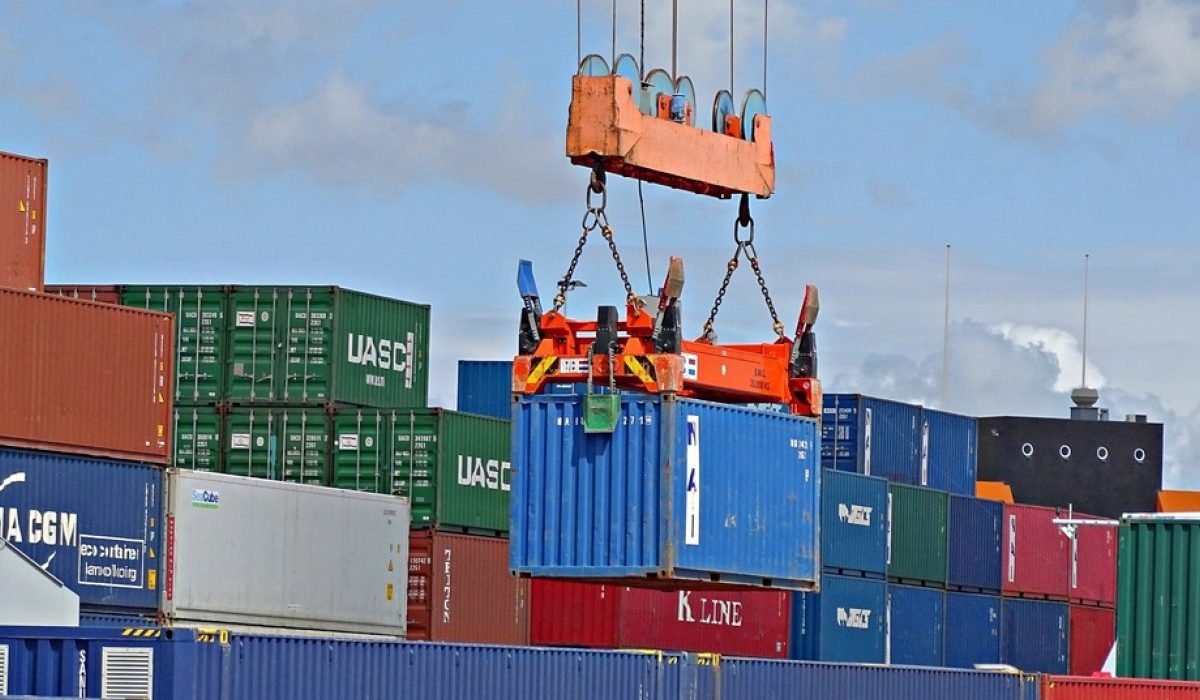
For a first order, buyers often ask for LCL to keep the commitment small. Sometimes that is right. Often it is a false economy, and the reason is contamination rather than cost.
Odour transfer is real
Tea, coffee and mild spices absorb odour readily. In a consolidated container you have no control over what travels alongside them – and a shipment of green tea that has spent four weeks next to a chemical consignment is not saleable, whatever the paperwork says.
When LCL genuinely makes sense
Robust, sealed, low-absorbency goods – vacuum-packed cashews, drummed material, anything in sealed retail packaging – travel perfectly well LCL. So do trial quantities of pulses and oil seeds where the packing is intact.
The break-even is lower than people think
Once a shipment passes roughly eight to ten cubic metres, an FCL usually costs less per unit than LCL and moves faster, because it skips the consolidation and deconsolidation steps at both ends. Those steps are also where most damage and shortage claims originate.
What we recommend
For tea, coffee, herbs and premium spices we advise FCL from the first order, even if that means combining several commodities into one container. For pulses, grains and packed nuts, LCL is a reasonable way to start.
Tell us your volume and destination and we will price both, with the honest recommendation attached.